China Martial Arts Supplier & Manufacturer of Sports Protective Products | Tidesports
Disc golf is a thrilling outdoor sport that blends the joy of frisbee throwing with the strategic depth of golf. The goal? Land your disc in a metal basket with the fewest throws possible—simple to learn, but endlessly fun to master. Whether you’re looking for a low-cost outdoor activity or a new competitive hobby, this guide breaks down everything you need to know about the sport taking the world by storm.
https://tide-sports.com/product/disc-golf-basket-portable/
I. Origins & Global Growth: From Backyard Fun to Worldwide Phenomenon
Disc golf got its start in the late 1960s in the United States, when adventurous frisbee lovers began tossing discs at everyday targets like trees, lampposts, and even fire hydrants for a casual challenge.
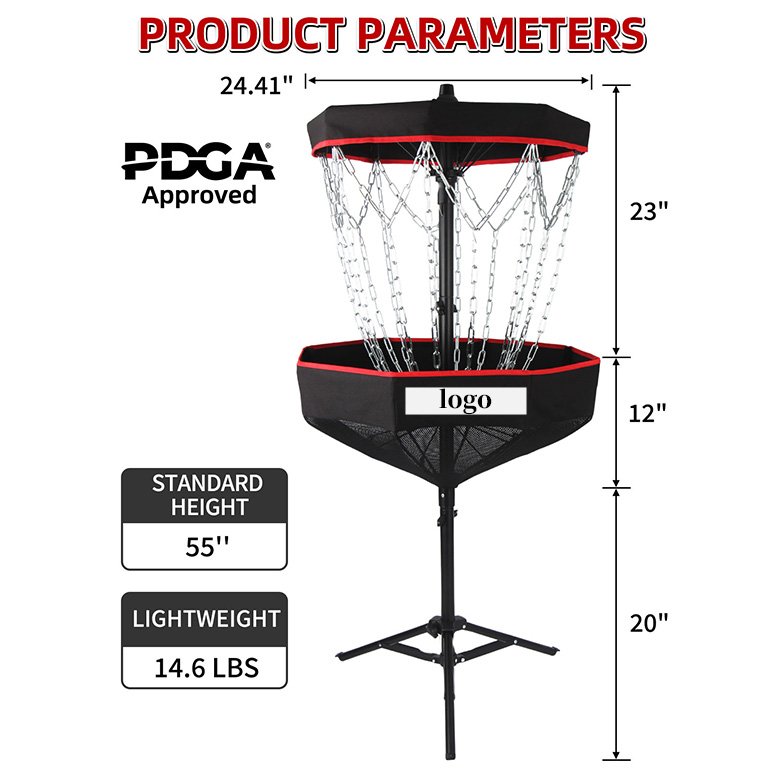
The sport took a huge leap forward in 1976, thanks to inventor Ed Headrick—dubbed the “Father of Disc Golf.” He founded the Disc Golf Association (DGA) and designed the first standardized metal basket: a pole topped with a suspended chain net that catches discs mid-flight, turning a backyard game into a regulated sport.
By 1982, the Professional Disc Golf Association (PDGA) was born, setting universal rules and launching professional tournaments. Today, the sport has exploded globally: as of 2025, there are over 9,800 courses across 54 countries, and PDGA membership has surged past 300,000. It’s no wonder disc golf is hailed as one of the fastest-growing outdoor sports on the planet!
II. Core Rules & Gameplay: How to Play (in Plain English)
1. The Course: Nature + Strategy
A standard disc golf course has 18 holes (think mini-golf, but bigger!), while shorter 9-hole courses are perfect for beginners. Each hole features two key parts:
- Tee Pad: The designated starting area (like a golf tee box).
- Basket: The target—made of a metal pole and chain net. To finish a hole, your disc must pass through the chains and land in the basket’s base.
Courses are built around natural terrain: woods, grassy fields, ponds, and hills add twists and turns, so you’ll need to plan your throws strategically (no straight-line shortcuts here!).
2. Step-by-Step Gameplay
Playing disc golf is as easy as 1-2-3:
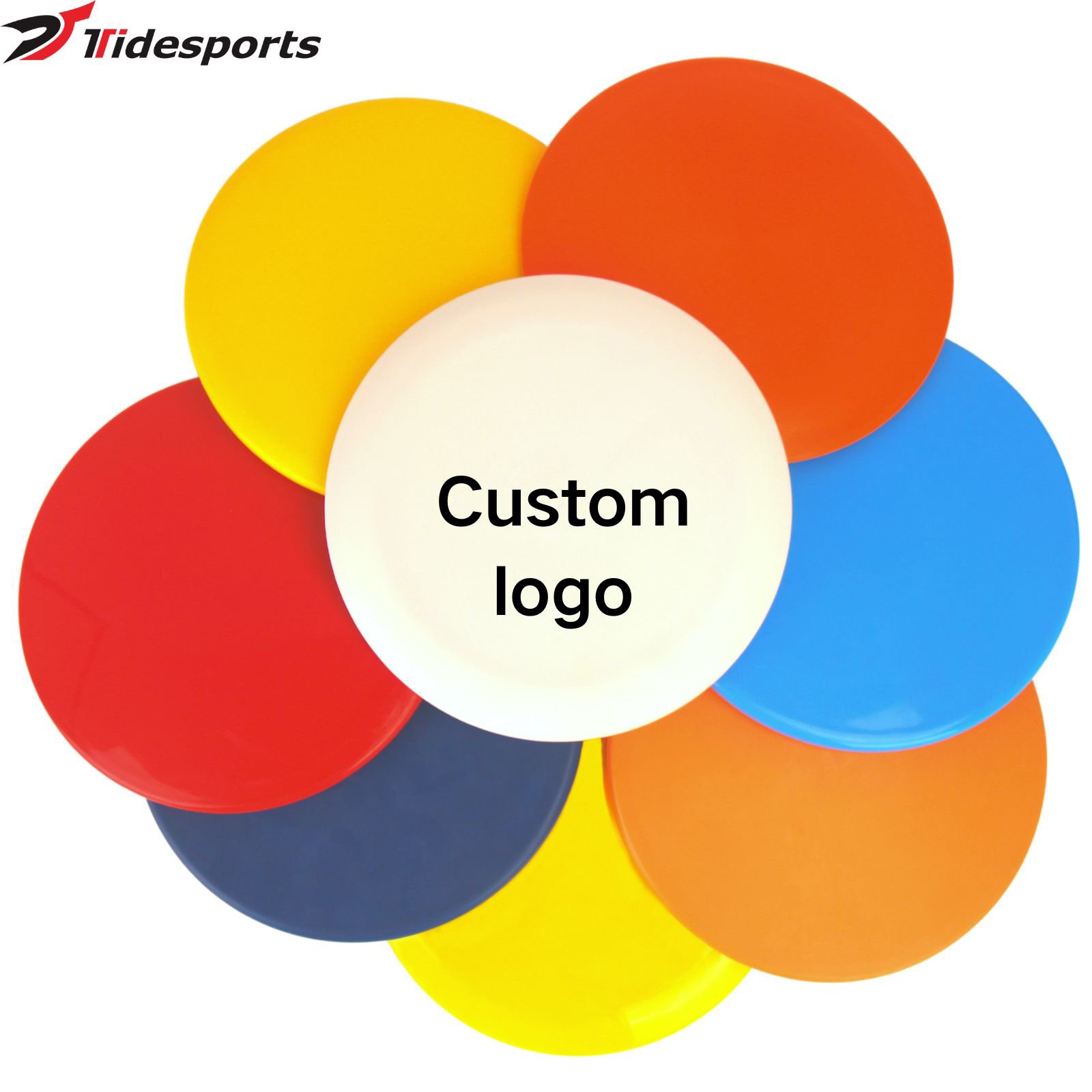
- Drive: From the tee pad, use a “driver disc” (built for distance) to hurl your disc as close to the basket as possible—think of it as your “long-range attack.”
- Approach: Next, throw from where your disc landed. Use a “midrange disc” (balanced for control and distance) to adjust your angle and get even closer.
- Putt: The final shot! Use a “putter disc” (slow and precise) to sink the disc into the basket. That’s one hole done—now repeat for 17 more!
3. Popular Competition Formats
- Stroke Play: The most common format—whoever finishes all holes with the fewest total throwswins (just like traditional golf).
- Match Play: Compete hole-by-hole—win more holes than your opponent, and you take the game.
- Mixed Doubles: Teams of two (men and women) work together—featured in big international events like the Chengdu World Games!
4. Key Rules to Avoid Penalties
- OB (Out of Bounds): If your disc lands outside the course boundaries (marked with tape or signs), add 1 penalty stroke and re-throw from 1 meter inside the line.
- Mandatory: Some holes have “mandatory” obstacles (like a tree or post) you must circle—skip it, and you’ll get a 1-stroke penalty.
- Flex Start (2025 Update!): The PDGA now lets tournaments use flexible tee-off times, so you can play when it’s convenient—no more early-morning rushes!
III. How to Get Started: Tips for Newbies
1. Essential Gear (No Need to Splurge!)
You don’t need a fancy toolkit to start—just 2-3 discs:
- 1-2 midrange discs(speed 3-5): Easy to control, perfect for learning throws.
- 1 putter(speed 1-2): Slow and steady, ideal for short shots into the basket.
Budget tip: Entry-level discs cost 15-30 each—total startup cost: 45-90. Skip expensive “driver discs” at first—they’re hard to handle until you master basic throws!
2. Learn the Ropes (For Free!)
- Online Tutorials: Watch PDGA’s official guides or YouTube channels like “Disc Golf Basics” to learn fundamental throws (e.g., the “backhand” – the most common technique).
- Local Courses: Many public courses host free beginner workshops—check PDGA’s course finder to locate one near you.
3. Safety First
- Spotter Rule: Always have a friend “spot” for you—make sure no one is in the path of your disc before throwing.
- Protective Gear: Gloves can help you grip the disc better and prevent blisters (great for newbies!).
- Respect Nature: Stay on paths, avoid disturbing wildlife, and pick up trash—disc golfers pride themselves on being eco-friendly!
IV. Future Trends: What’s Next for Disc Golf?
The sport is only getting bigger—here’s what to watch for:
- Tech Integration: Smart discs with GPS tracking (to analyze your throws) and VR training platforms are making it easier to improve.
- Global Expansion: Asia, Africa, and South America are booming—by 2030, global participation is expected to top 10 million!
- Sustainability: The PDGA is pushing for “green courses” – using biodegradable markers, solar-powered baskets, and eco-friendly construction to protect nature.
Disc golf is more than a sport—it’s a community. Whether you’re playing casually with friends or competing in a local tournament, you’ll find welcoming players, beautiful courses, and endless opportunities to grow. Grab a disc, hit the course, and join the movement!