 China Martial Arts Supplier & Manufacturer of Sports Protective Products | Tidesports
EVA foam mats and rubber mats are both popular flooring options, and choosing between them for your gym, dojo, or home is a decision that affects safety, cost, and long-term maintenance. This comprehensive EVA foam mats vs rubber mats guide breaks down the material differences, durability, pricing, and best use cases, so you can pick the right floor covering for your facility.
What Are EVA Foam Mats?
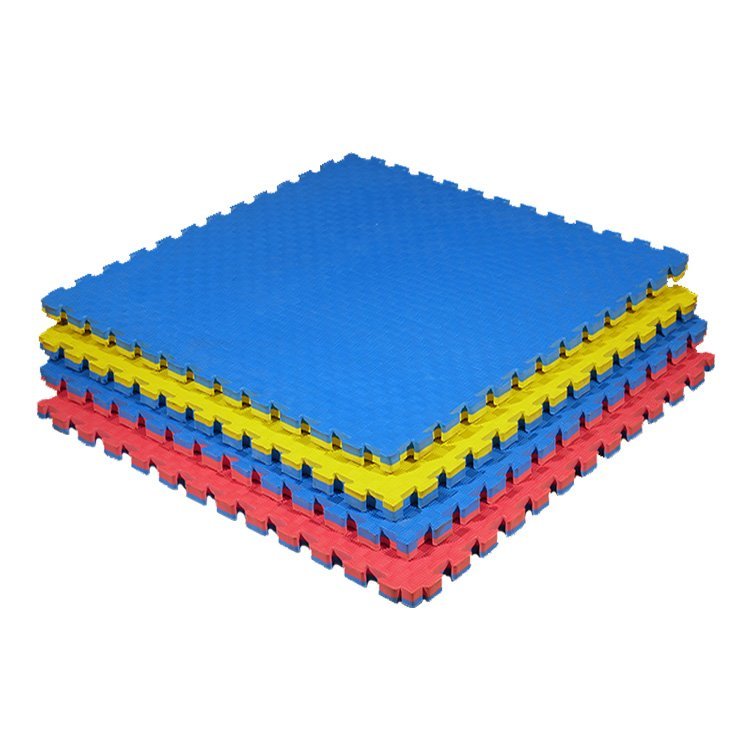 EVA (ethylene-vinyl acetate) foam mats are lightweight, flexible floor tiles made from cross-linked foam. They are a popular choice for martial arts dojos, kids play areas, and fitness studios because they offer excellent shock absorption at a low cost. At TideSports, we manufacture EVA foam mats in various sizes and thicknesses, from 100cm x 100cm tatami-style mats to 60cm x 60cm interlocking puzzle tiles, all OEM/ODM customizable. Their light weight also makes them easy to install, reposition, and clean.
What Are Rubber Mats?
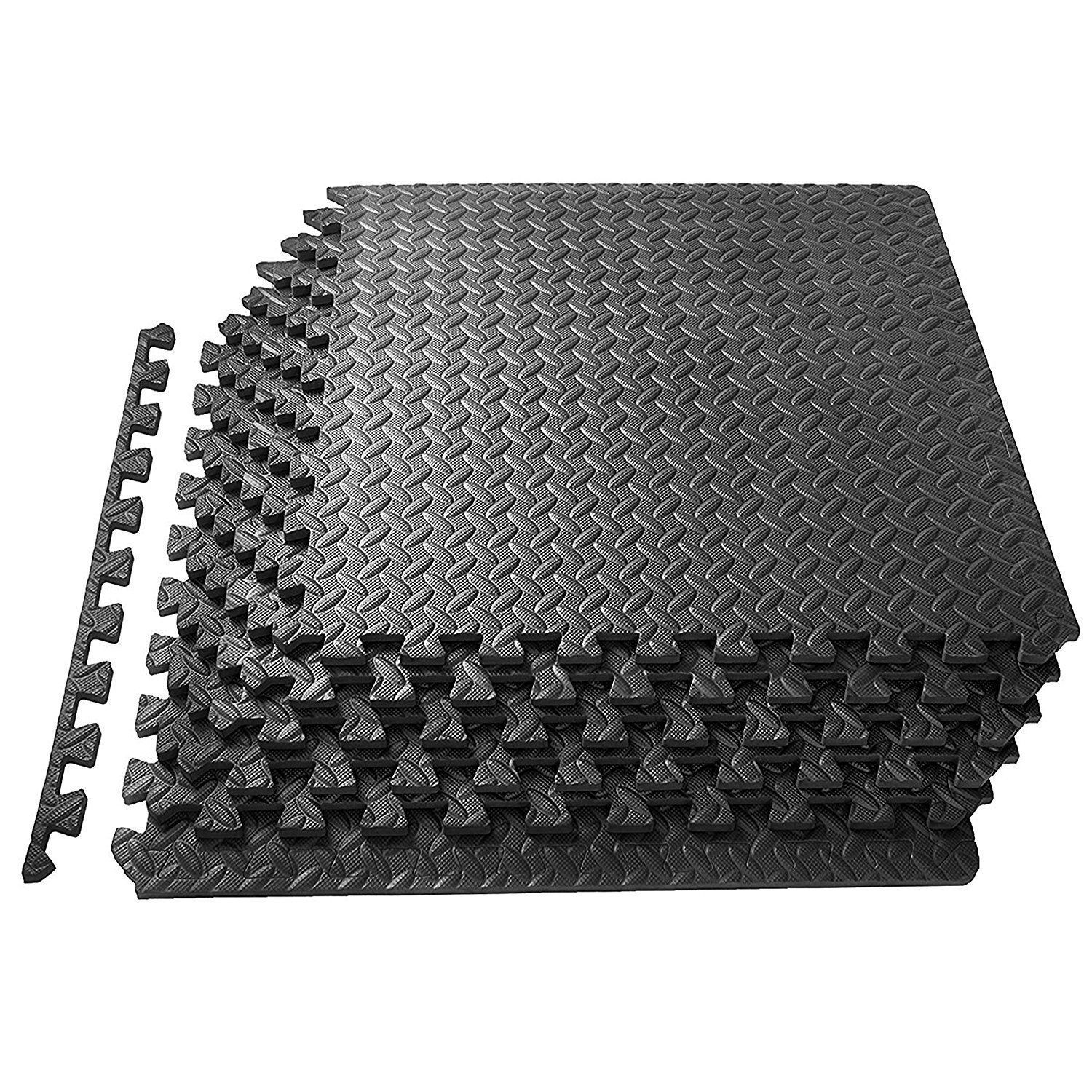 Rubber mats, typically made from recycled tire crumb or natural rubber, are denser, heavier, and harder-wearing than EVA. They are designed for high-traffic commercial gyms, weightlifting areas, and equipment zones where maximum durability under heavy loads matters. If you need a heavier-duty option under very heavy machinery, our rubber gym floor mats and dual-layer rubber-top EVA tiles offer a practical middle ground for commercial settings.
EVA Foam Mats vs Rubber Mats: Key Differences
The table below summarizes the core differences between EVA and rubber mats so you can compare options at a glance:
| Feature | EVA Foam Mats | Rubber Mats |
|---|---|---|
| Weight | Light, easy to move | Heavy, hard to reposition |
| Shock absorption | Excellent for falls | Good, but firmer |
| Durability | Good for moderate use | Superior for heavy loads |
| Cost | Lower, budget-friendly | Higher |
| Best for | Dojos, kids, home gyms, yoga | Commercial weight rooms, equipment |
| Odor | Essentially odorless | Rubber smell (especially new) |
Choosing Between EVA Foam Mats and Rubber
Your choice depends on the intended use and traffic level. For martial arts training, children’s play areas, and home workout spaces where impact absorption and comfort are priorities, EVA foam puzzle mats and tatami mats are the ideal solution. They cushion falls, are easy to install with interlocking edges, and offer a soft, non-slip surface suitable for barefoot sports. For most residential uses, these foam mats deliver the best balance of comfort and value.
When Rubber Mats Are the Better Fit
If you are outfitting a commercial weightlifting area or placing heavy equipment like treadmills and racks, dense rubber mats provide the load-bearing capacity that these foam mats cannot match. Rubber’s downside is weight, cost, and a pronounced odour when new. For most home and exercise floor uses, high-density EVA mats remain the smarter, more versatile pick.
Why Buyers Prefer EVA Foam Mats Wholesale
For buyers looking at wholesale supply, EVA mats offer a decisive advantage in price and versatility. At TideSports, we support OEM/ODM production with stable sizing, custom colors, and consistent density across large batches. Our factory can scale from a single dojo to franchise-wide rollouts, with competitive wholesale pricing and reliable repeat-order quality. Because EVA mats are lightweight and easy to ship, they also keep freight and logistics costs down for international buyers.
This is why these foam mats remain the preferred flooring for martial arts schools, gyms, and home fitness brands combining affordability with performance.
Frequently Asked Questions
Are EVA foam mats better than rubber for home gyms?
For most home gyms, yes. These foam mats offer better shock absorption, lighter weight, and lower cost, making them easier to install and move. Rubber mats are better only if you set heavy equipment directly on the floor.
How long do EVA foam mats last?
With normal use, quality high-density EVA mats last 5 to 10 years. They may develop surface impressions under heavy, static loads but recover well from dynamic impact.
Are EVA foam mats safe for kids?
Yes. They are phthalate-free, soft, and provide excellent cushioning for toddlers learning to walk or crawl. They are a common choice for daycares and playrooms.
Can EVA foam mats be used for martial arts?
Absolutely. EVA mats are the standard material for martial arts flooring because they absorb falls and kicks effectively. Many dojos use interlocking EVA tiles for easy setup and takedown.
What thickness of EVA mat should I choose?
For general exercise and play areas, 1cm to 1.5cm is common. For martial arts and judo, thicker 2cm to 4cm EVA mats provide better fall protection. Contact our team if you need guidance on the right density and thickness for your project.
Looking for a Reliable EVA Foam Mat Supplier?
We are a Qingdao-based OEM/ODM manufacturer of EVA foam mats, tatami mats, and interlocking flooring. Get stable sizing, custom colors, competitive wholesale pricing, and dependable repeat orders.