 China Martial Arts Supplier & Manufacturer of Sports Protective Products | Tidesports
Introduction to Professional Rubber Flooring
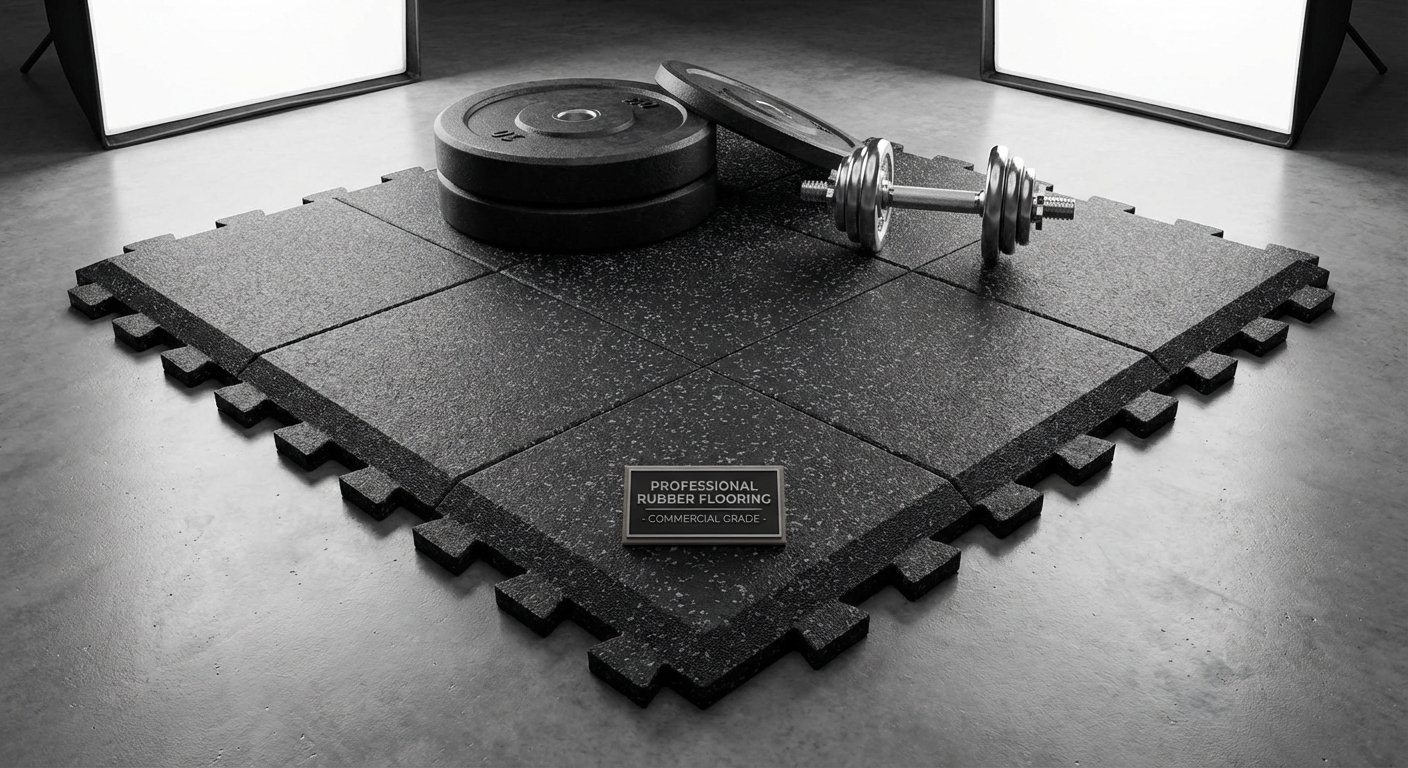
In the world of commercial weight rooms, the choice of flooring is a critical consideration that impacts safety, durability, and performance. Rubber flooring has emerged as a preferred option for many gym owners and operators due to its resilience and practicality. This guide aims to provide an in-depth look at professional rubber flooring specifically designed for commercial weight rooms, highlighting its benefits, types, installation, and maintenance.
Benefits of Rubber Flooring in Weight Rooms
Rubber flooring offers numerous advantages that make it ideal for weight rooms. Its high-density interlocking exercise tiles provide a stable and secure surface that can withstand heavy gym equipment and the impact of weights. The durable rubber material is designed to absorb shock, reducing the risk of injury during workouts. Additionally, rubber flooring is known for its sound insulation properties, minimizing noise from equipment drops and foot traffic.
Safety and Durability
The thick interlocking foam and durable rubber used in these floors ensure long-lasting performance. This flooring is resistant to wear and tear, making it suitable for high-traffic areas. The thick foam provides cushioning, which is crucial in preventing injuries, particularly in weight rooms where heavy equipment is frequently used.
Ease of Maintenance
Rubber flooring is easy to clean and maintain, requiring minimal effort to keep it in pristine condition. Its non-porous surface prevents the absorption of liquids, making it resistant to spills and stains. Regular sweeping and occasional mopping are sufficient to maintain cleanliness and hygiene.
Types of Rubber Flooring for Weight Rooms
Rubber flooring comes in various forms to cater to different needs and preferences. The most common types include tiles and rolls, each offering distinct advantages.
Interlocking Tiles
High-density interlocking exercise tiles are a popular choice for weight rooms. These tiles are easy to install, requiring no adhesive due to their interlocking design. This feature allows for quick installation and removal, making them suitable for temporary setups or spaces that may require frequent changes. The interlocking wood grain and cartoon interlocking jigsaw designs add an aesthetic element to the flooring, enhancing the overall look of the weight room.
Rubber Rolls
Rubber rolls offer a seamless appearance and are ideal for covering large areas. They provide a smooth surface with fewer seams, reducing the risk of tripping. Rubber rolls are often used in professional settings where a uniform look is desired. The installation process involves gluing or taping the rolls to the subfloor, ensuring they remain securely in place.
Installation Process
Installing rubber flooring in a commercial weight room involves several steps to ensure a secure and professional finish.
Preparation
The first step in the installation process is preparing the subfloor. This involves cleaning and leveling the surface to ensure the rubber flooring adheres properly. Any imperfections in the subfloor can affect the longevity and performance of the flooring.
Installation of Interlocking Tiles
For interlocking tiles, start from one corner of the room and work your way across. Align the tiles and press them firmly together to lock them in place. This method is straightforward and allows for easy adjustments if needed.
Installation of Rubber Rolls
Installing rubber rolls requires more precision. Unroll the flooring and allow it to acclimate to the room temperature for a few hours. Once ready, apply adhesive or double-sided tape to the subfloor and carefully position the roll. Use a seam roller to ensure a tight fit and eliminate air bubbles.
Maintenance Tips
Proper maintenance extends the life of rubber flooring and keeps it looking new.
Regular Cleaning
Sweep the floor regularly to remove dust and debris. For deeper cleaning, use a damp mop with a mild detergent. Avoid harsh chemicals that can damage the rubber surface.
Preventive Measures
Place mats at entry points to reduce dirt tracked onto the flooring. Encourage gym users to wear appropriate footwear to minimize wear and tear. Regular inspections can help identify any areas that need repair or replacement.
Conclusion
Professional rubber flooring is a vital component of any commercial weight room, offering safety, durability, and aesthetic appeal. By choosing the right type of flooring and following proper installation and maintenance practices, gym owners can ensure a safe and inviting environment for their patrons. Whether opting for high-density interlocking exercise tiles or seamless rubber rolls, the benefits of rubber flooring make it an investment worth considering.
Contact Us
For more information on professional rubber flooring solutions or to request a quote, please contact us. Our team at Tide Sports is ready to assist with all your flooring needs, providing tailored solutions that meet the demands of commercial weight rooms.