 China Martial Arts Supplier & Manufacturer of Sports Protective Products | Tidesports
Taekwondo protective gear in training and competitions assume multiple functions of protection, standardisation of competition and assisting in technical enhancement, and their roles are focused on different scenarios, the following detailed analysis of the two dimensions from the training and competition:
I. The role of the protective gear in training: safety and protection and technical enhancement
1. Core function: reduce the risk of training injuries
Head protection (helmet): when simulating real combat confrontation in training, the helmet can cushion the head from kicks or impacts, reducing the risk of concussion, abrasions and other injuries. For example, a helmet can effectively protect vulnerable areas such as the temples and forehead when novices are practising high kicks against each other.
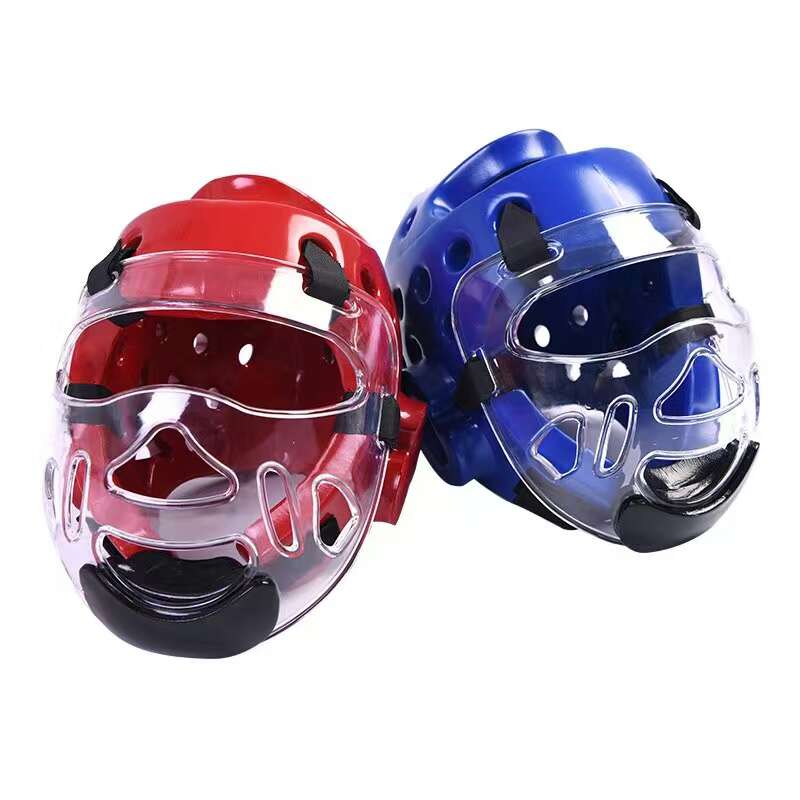
head gaurd with face mask
Torso protection (armour/crotch protector): armour covers the chest and abdomen to protect against the impact of kicks and avoid injuries to the ribs and internal organs; crotch protector provides protection for the private parts of male and female athletes, especially during intensive training of leg kicks.
Limb protection (arm guards
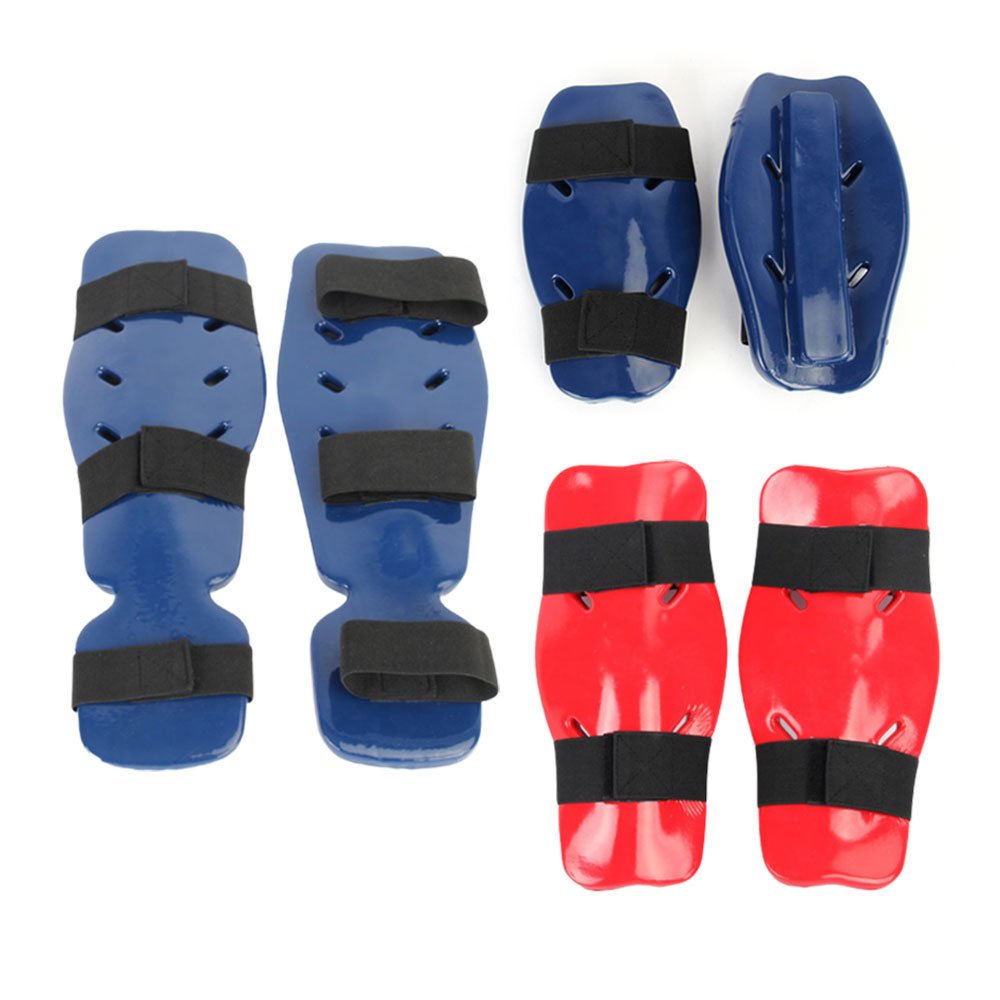
ITF Arm+ Leg Guards
, shin guards, hand guards
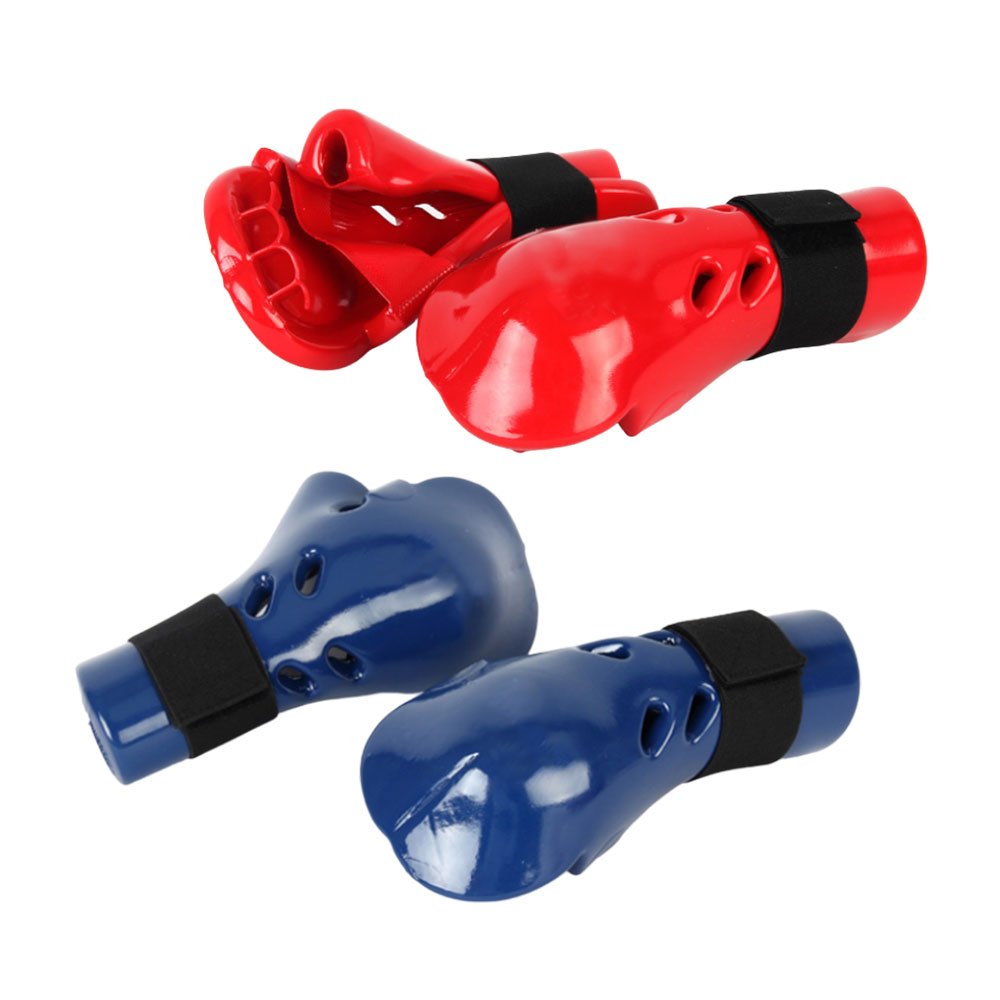
ITF hand guard
, foot guards
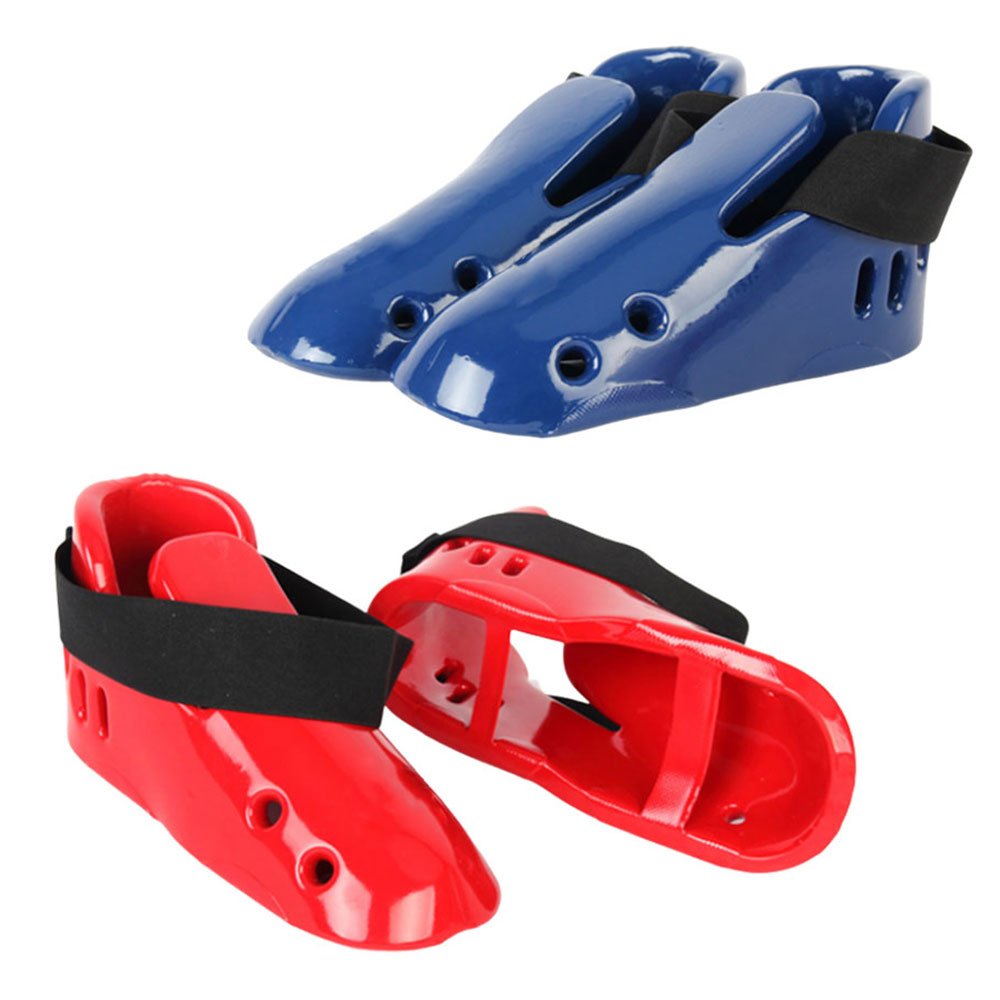
ITF hand guard
): shin guards cover the anterior side of the calf to prevent shin contusions during target kicking or sparring; arm guards protect elbows and forearms to minimise muscle strains during blocking; hand/foot guards cushion the impact of punches and ankles to avoid sprains of the joints.
2. Auxiliary Technical Training: Standardised Movement and Perception Feedback
Weight Perception and Movement Control: Some protective gears (e.g. thickened shin guards, hand guards) have a certain amount of weight, which, when worn, can help athletes to experience the consistency of the power of the movement. For example, when practicing the horizontal kick, the weight of the shin guards can help the trainee to perceive more clearly the chain of force of ‘lifting the knee – turning the hip – kicking’, so as to correct the problem of weak kicking or disconnected movements.
Simulate the pressure of actual combat: Wearing a full set of protective gear for sparring can simulate the physical load in the game, and help athletes adapt to the speed of movement and reaction ability under the state of wear. For example, the limitation of the helmet’s field of vision can train the trainee’s judgement of attack and defence when his/her vision is obstructed, and enhance the adaptability to real combat.
3. Psychological construction: building confidence in confrontation
For beginners, the physical protection of protective gear reduces the fear of confrontation and allows them to focus more on technical movements than on the risk of injury. For example, when attempting a kick to the head for the first time, the presence of a helmet will make the trainee more bold and accelerate the process of mastering the technique.
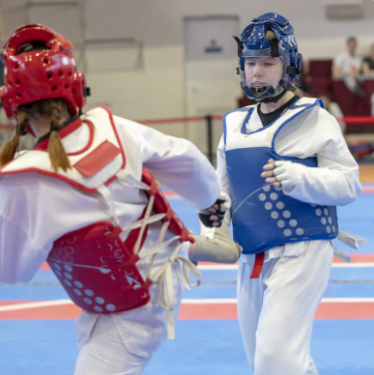
head gaurd with face mask
II. The role of the protective gear in competitions: competitive norms and fairness.
1. Safety Bottom Line: Protection Upgrade in High-Intensity Confrontation
Cushioning Design of Electronic Protective Gear: Electronic chest/head guards used in WTF competitions are filled with high-density foam or gel material, which can absorb more than 70 per cent of the impact of kicks. For example, when an athlete kicks the chest protector at 60km/h in the Olympics, the protector can reduce the instantaneous pressure to a safe range to avoid internal organ damage.
Targeted Protection Enhancement: In ITF competitions, the thickness of hand/foot guards is increased by 30% compared to training guards to cope with the mixed attacks of punches and kicks; and tooth guards are fitted to the teeth by customised moulds to prevent tooth loss or jawbone damage caused by impact.
2. Fairness in Competition: Distinguishing Camps and Basis of Penalties

WT Protective Gear Set
Colour Identification and Camp Distinction: WTF protective gear strictly distinguishes between the two sides in red and blue (e.g. red helmet + red chest protector, blue helmet + blue chest protector), ensuring that the referee and spectators can quickly identify the players during high-speed confrontation and avoiding penalty errors due to dress code confusion.
3. Rule visualisation: restricting and directing technical direction
The area covered by the protective gear is linked to the legality of the technique: in WTF, only the red effective area of the chest protector and the area outside the face of the helmet are allowed to be kicked, and areas not covered by the protective gear (e.g., the back, crotch) are off-limits. This design directly guides athletes to focus their kicks on the head, torso and other scoring areas, creating a ‘high leg dominant’ style of competition.
The openness and restriction of ITF protective gear: ITF allows punches to the head, but requires the wearing of teeth guards and helmets, and the ‘less and more sophisticated’ protective gear reflects its pursuit of ‘all-roundedness’ – for example, when no chest protector is worn, the athlete will not be able to fight without a chest protector. For example, when chest guards are not worn, athletes are required to defend their torsos against attacks by blocking and dodging, enhancing the practicality of the technique.

ITF Protective Gear Set
Summary Taekwondo protective gear is both a ‘safety barrier’ and a ‘language of competition’: in training, it is a tool to help students break through the limits of their bodies and standardise their techniques; in competitions, it balances the intensity and fairness of the confrontation with a standardised design, and at the same time shapes the competitive characteristics of the different schools (e.g. WTF, ITF, etc.). (e.g. WTF, ITF). From the basic shin guards for beginners to the electronic chest guards for the Olympics, the evolution of protective gear has always been deeply tied to Taekwondo’s core philosophy of ‘educating people through skills and promoting training through competition’.